As the landscape continues to evolve, a troubling case in Canada is raising urgent questions about artificial intelligence safety and corporate responsibility. Months before a devastating school shooting claimed nine lives, staff members at OpenAI noticed alarming conversations on ChatGPT that seemed to predict violence. Yet the company chose not to contact law enforcement—a decision that now has people questioning whether companies using AI should have different rules when it comes to public safety.
What Happened at Tumbler Ridge
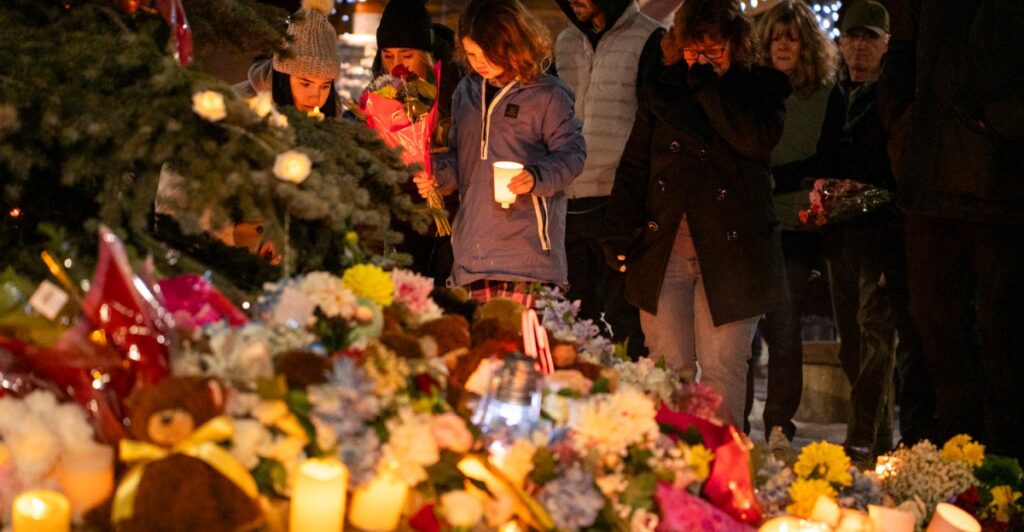
On February 10th, a mass shooting at Tumbler Ridge Secondary School in British Columbia became Canada’s deadliest in several years. The attack killed nine people and wounded 27 others. The shooter, Jesse Van Rootselaar, was found dead at the scene from what appeared to be a self-inflicted gunshot wound. The tragedy sent shockwaves through the community and beyond, prompting people to look back at warning signs that might have been missed.
The ChatGPT Red Flags OpenAI Employees Noticed
What makes this case especially significant is that OpenAI staff had seen warning signs months earlier. In June, Van Rootselaar used ChatGPT to discuss violent scenarios involving firearms. These conversations triggered the platform’s built-in safety systems, which are designed to catch potentially dangerous content. Concerned employees brought the matter to leadership, urging them to contact authorities. Despite these internal warnings, company executives ultimately decided against notifying law enforcement about the account.
Why OpenAI Chose Not to Alert Police
OpenAI’s official position, explained through spokesperson Kayla Wood, centers on the company’s interpretation of the risk level. The company reviewed the conversation logs and concluded they didn’t show active planning or an immediate threat. Rather than contact police, OpenAI shut down Van Rootselaar’s account. Wood stated the company was trying to balance two competing concerns: protecting individual privacy while also keeping people safe. The company later claimed it proactively shared information with Canadian authorities after the shooting occurred, though timeline details remained unclear.
The Bigger Picture: AI Companies and Public Safety
This incident has sparked a broader conversation about responsibility in the AI age. Should tech companies have a lower threshold for reporting suspicious behavior to law enforcement? How do we protect privacy without ignoring potential dangers? These questions don’t have easy answers. Critics argue that when multiple employees flag concerning content, that should warrant police notification. Supporters of OpenAI’s approach worry that being too quick to involve authorities could chill free speech and lead to false alarms that waste police resources. The case highlights a genuine tension between competing values that Silicon Valley companies will need to navigate more thoughtfully going forward.
Key Takeaways
- OpenAI employees flagged violent ChatGPT conversations in June, but the company decided not to alert law enforcement before the February shooting occurred.
- The company chose to ban the account instead, citing concerns about privacy and uncertainty whether an ‘imminent’ threat existed under their standards.
- The tragedy raises important questions about how AI companies should balance user privacy with public safety when warning signs appear.