
According to recent reports, if you own a Nissan Rogue from 2023 onwards, you may want to check your inbox—Nissan has announced two major recalls affecting hundreds of thousands of vehicles. Both issues involve the engine and can potentially leave your SUV unable to start or worse, stranded on the road. Here’s what you need to know and how to protect yourself.
The Throttle Problem Affecting 319,000 Rogues
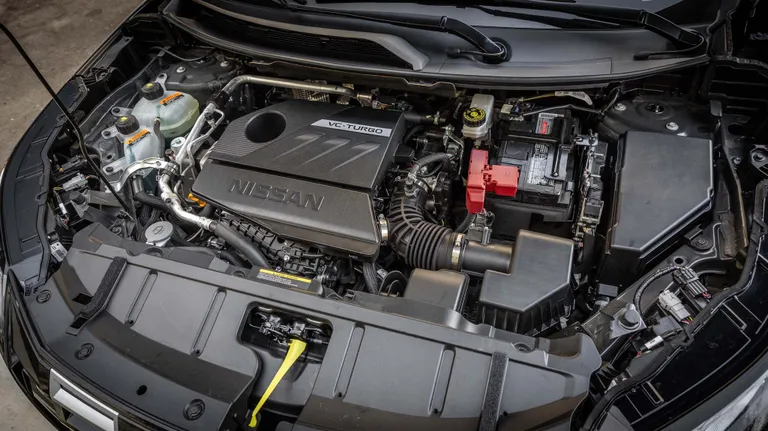
The first recall targets nearly 319,000 2024 and 2025 Rogues with a faulty electronic throttle system. Before your engine starts, your car runs an automatic diagnostic check that moves a small valve (called the throttle plate) to its fully closed position. Think of it like your car clearing its throat before waking up. Unfortunately, in these Rogues, the engine’s control computer is pushing that valve too hard during this test. Over time, this excess force damages the tiny gear that controls the valve’s movement. When that gear breaks, the valve gets stuck in the closed position, and your engine won’t start. No warning lights, no second chances—your car simply won’t turn on. Nissan initially resisted issuing a recall, arguing it wasn’t a safety risk since the failure only happens at startup. But after further consideration, the company decided to fix the problem for all affected owners at no cost. Dealers will reprogram your engine’s computer to ease off on the valve and check for any damage that might need repair.
The Engine Oil Issue Affecting 324,000 Rogues
The second recall is even more serious and affects a larger group: nearly 324,000 Rogues spanning model years 2023 through 2025. The problem involves engine oil that gets dangerously hot, causing it to break down and fail to protect your engine’s bearings. In the best case, you’ll notice your engine making odd noises or having trouble starting. In a worst-case scenario, the engine can fail while you’re driving, and the damage could potentially lead to a fire. Nissan has received reports of 690 engine failures tied to this issue, though thankfully, every single one happened while the vehicle was still under warranty—meaning Nissan covered the repair costs. The company is now checking all affected vehicles and replacing engines if necessary, again at no cost to owners.

What You Should Do Right Now
Nissan and the National Highway Traffic Safety Administration (NHTSA) will be reaching out to owners, but don’t wait around. Check your vehicle identification number (VIN) against the recall list on Nissan’s website or the NHTSA website (safercar.gov) to see if your Rogue is affected. If it is, schedule an appointment with your local Nissan dealer as soon as possible. The good news? These repairs are completely free. The bad news? Recall appointments can fill up quickly, so calling your dealer sooner rather than later makes sense. When you bring in your vehicle, the dealer will perform diagnostic tests to determine if your engine has sustained any damage. If it has, they’ll repair or replace the engine at no cost.
Why This Matters and What to Know Going Forward
These recalls highlight the importance of staying on top of your vehicle’s maintenance and keeping an eye on recall notices. If you ignore these issues, you’re risking a breakdown at an inconvenient time or potentially dangerous situation on the highway. The silver lining is that Nissan appears to be acting responsibly by offering free repairs, and the company discovered these problems before they became widespread safety disasters. For Rogue owners, now is the time to act. Contact your dealer, get your vehicle checked, and get these fixes done. It’s a hassle, sure, but it’s far better than being stranded on the side of the road or dealing with catastrophic engine failure.
Key Takeaways
- Nissan is recalling over 643,000 Rogues (2023-2025) for two separate engine defects involving throttle and oil systems.
- Both issues can prevent your car from starting or cause engine failure while driving, but all repairs are free at Nissan dealerships.
- Check your VIN on safercar.gov or Nissan’s website immediately and schedule a dealer appointment to have these critical fixes performed.