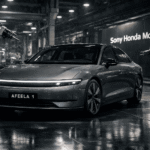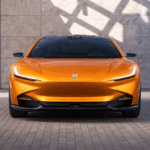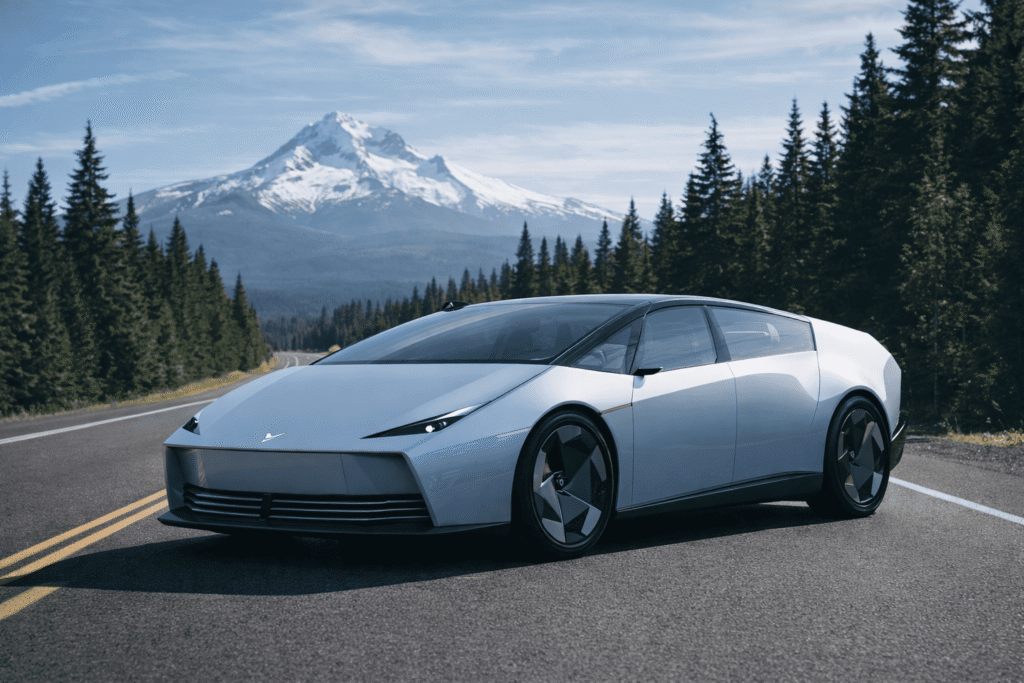
Honda cancels US EV models — Honda is pulling the plug on a major electric vehicle strategy in the United States. The Japanese automaker announced it’s canceling development of three EV models—the 0 Series SUV, 0 Series sedan, and Acura RSX—that were supposed to be built at its Ohio manufacturing plant. Here’s what you need to know about why Honda’s making this dramatic shift and what it means for the company’s future.
Honda Cancels Us Ev Models: Why Honda Canceled the EVs
Honda didn’t mince words about its reasoning. The company cited unpredictable American tariff policies, unstable EV tax incentive structures, and shifting fossil fuel regulations as primary obstacles. In its official statement, Honda was refreshingly candid: continuing with these three models would’ve meant significant financial losses both immediately and down the road.
But there’s another wrinkle. The automaker also blamed changing consumer preferences in China, where buyers increasingly prioritize software features over traditional metrics like fuel efficiency and cabin space. And here’s the brutal part—Honda admitted it simply can’t compete with newer Chinese EV manufacturers on value. That’s a stark admission from one of the world’s largest automakers. The competition from companies like BYD and NIO has made it harder for Honda to justify launching new models that might not move the needle in the market.
The Financial Fallout and Executive Response
This decision’s going to cost Honda big. The company expects to record losses totaling up to $15.8 billion, with the bulk hitting in 2026. That’s real money—the kind that forces change at the top. Related: Upcoming Electric Vehicles Coming Soon.
Several Honda executives are feeling the pinch alongside the company. Top brass are voluntarily taking salary reductions of up to 30 percent for three months to share in the pain. It’s a signal that leadership recognizes the severity of this pivot. The Ohio facility, which Honda’s been retooling for the past two years in preparation for these EV models, won’t be launching the vehicles it was designed for. Instead, Honda says it’ll establish a “fixed-cost structure appropriate for the scale” for future electric vehicle implementation—vague corporate-speak for “we’re still figuring this out.”
What’s Next for Honda’s EV Strategy
Don’t expect clarity anytime soon. Honda hasn’t detailed what’ll happen to its Ohio manufacturing footprint or whether those retooling investments will eventually pay off with different models. The company promises to unveil a revised mid-to-long-term strategy at a press conference scheduled for May, so we’ll know more soon.
So what does this mean for American EV buyers? It’s less choice on the market, at least from Honda. And it raises broader questions about whether traditional automakers can compete with Chinese EV makers who’ve moved faster on battery technology and software integration. Honda’s retreat suggests that even billion-dollar companies with decades of manufacturing expertise can get outmaneuvered. The tariff environment and uncertain incentive structure—combined with genuine product competition—created conditions where Honda decided the risk wasn’t worth taking.
Key Takeaways
- Honda canceled three planned US EV models due to tariffs, inconsistent incentives, and an inability to compete with Chinese EV manufacturers on value.
- The company expects to lose up to $15.8 billion from this decision, prompting top executives to take voluntary 30 percent salary cuts for three months.
- Honda will announce a revised EV strategy in May, but the Ohio facility originally built for these models faces an uncertain future.