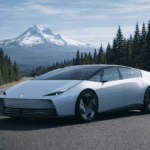
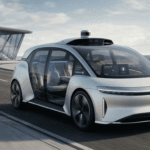
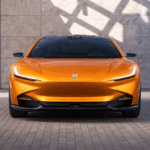
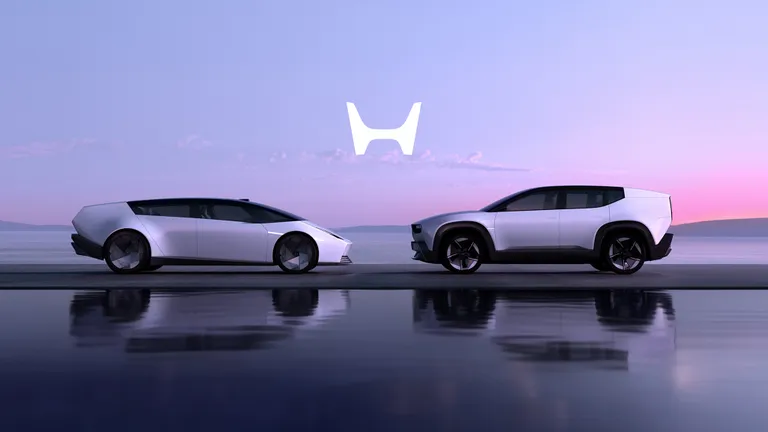
Honda cancels electric vehicles — Honda is pulling the plug on three electric vehicles it had planned to launch in the United States, marking a significant retreat from the automaker’s EV ambitions. The Japanese company cited waning consumer demand for EVs and substantial financial losses as reasons for shelving the 0 Series SUV, 0 Series sedan, and an all-electric Acura RSX that were nearly ready for production.
Honda Cancels Electric Vehicles: Why Honda Is Backing Away from Electr
Here’s what happened: Honda had been gearing up to launch these three models as its first in-house developed EVs for the American market. The 0 Series SUV and sedan, along with the Acura RSX, were so close to production that Honda showed off near-final versions at CES last year. But the company’s leadership decided the timing didn’t make sense.
The decision came down to dollars and cents. Honda CEO Toshihiro Mibe said in a statement that launching these three models “in the current business environment where the demand for EVs is declining significantly would likely result in further losses over the long term.” The automaker’s already dealing with headwinds from tariffs, slowing EV sales globally, and particularly weak demand in Asia and China.
Related: 2011 Honda Element For Sale Last Model Year.
So what does this mean for Honda’s bottom line? The company’s now expecting an operating loss as high as $15.8 billion for the fiscal year ending March 31, with year-end losses potentially reaching $5.1 billion to $7 billion. Those write-downs will carry into next fiscal year too. It’s a brutal hit for a company that was supposed to end the year in the black.
The Shift to Hybrids: Honda’s New EV Alternative Strategy
But here’s the thing—Honda isn’t abandoning electrification entirely. The company’s doubling down on what it knows best: hybrid vehicles. After conducting a comprehensive review of its overall strategy, Honda concluded that hybrid demand in the U.S. remains strong, even as EV appetite cools.
The automaker’s planning a massive overhaul of its hybrid lineup, starting with next-generation models arriving in 2027. That refresh will include new four-cylinder and V-6 engines paired with updated electric hardware and battery packs. Honda’s essentially betting that consumers who want efficiency but aren’t ready for full EVs will drive the company’s growth.
And here’s where it gets interesting: Honda’s reconsidering its battery plant strategy. Instead of producing batteries exclusively for EVs, the company’s exploring ways to use those batteries for hybrid vehicles. Some capacity might even get converted to stationary energy storage batteries, a pivot that other major automakers are making as well. That’s not just a pivot—it’s a complete recalculation of where the market’s actually heading.
Read more: Honda Cancels Us Ev Models Tariffs.
What This Means for Honda’s EV Timeline
This announcement reverses earlier plans that were already in trouble. Honda had originally planned to manufacture the first generation of 0 Series vehicles at its retooled Marysville, Ohio plant starting this year. A second generation was supposed to roll out from a retooled Canadian facility in 2028, but those plans had already been paused before this cancellation.
The company had also shelved plans for a battery plant in Alliston, Ontario, signaling that management was already hedging its EV bets. Now the cancellations make it clear: those pauses were just the first steps in a broader retreat.
So what’s Honda doing instead? The company isn’t scrapping its electrification efforts entirely. It previously launched the Honda Prologue and Acura ZDX—both developed in partnership with General Motors—and those remain on the market. But developing its own proprietary EV platforms proved too risky in this environment. Sound familiar? Other automakers are wrestling with the same question: is it worth the investment when demand isn’t there?
Key Takeaways
- Honda canceled three in-house developed electric vehicles—the 0 Series SUV, 0 Series sedan, and Acura RSX—citing declining EV demand and expected long-term financial losses.
- The automaker expects to report an operating loss as high as $15.8 billion for its fiscal year ending March 31 as a result of the cancellation write-downs and other headwinds.
- Honda is refocusing on hybrid vehicles, planning a comprehensive overhaul of its hybrid lineup with new models arriving in 2027 and exploring alternative uses for planned battery production capacity.