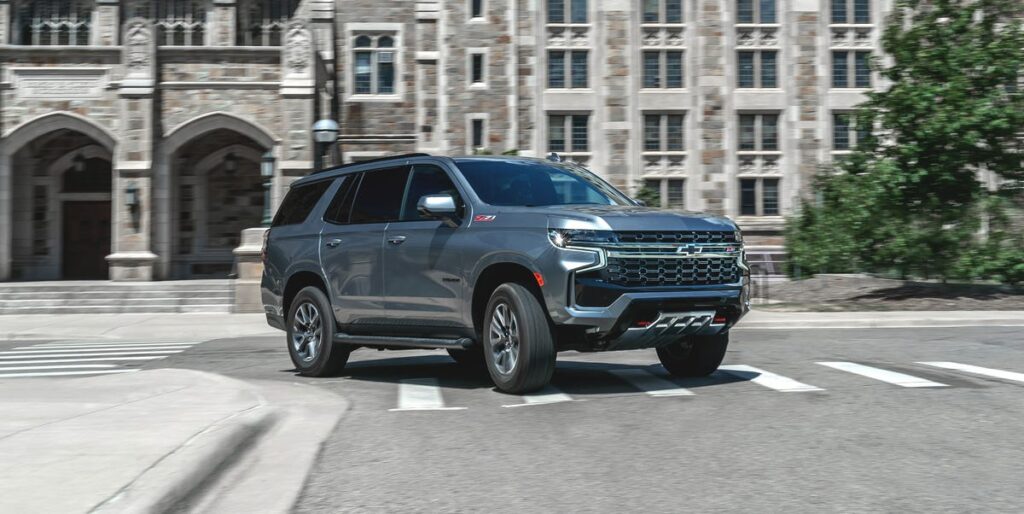
General Motors has issued an important safety recall affecting approximately 44,000 full-size SUVs from the 2022 model year due to a serious transmission problem that could cause rear wheel lock-up. The GM recalls rear wheel lock-up issue stems from a faulty transmission control valve that may wear excessively over time, potentially leaving drivers stranded or creating dangerous driving situations. If you own a Chevrolet Tahoe, Suburban, GMC Yukon, or Cadillac Escalade from 2022, you need to understand what this recall means for your vehicle and what steps you should take immediately.
Understanding the Transmission Problem Behind the GM Recalls Rear Wheel Lock-Up Issue
The root cause of this recall centers on a specific component within the 10-speed automatic transmission found in these full-size luxury and premium SUVs. A transmission control valve in affected vehicles is susceptible to excessive wear that develops over normal driving conditions. When this valve deteriorates beyond acceptable levels, it can develop small cracks or deformations that compromise the transmission fluid’s ability to maintain proper pressure throughout the system.
When transmission fluid pressure drops due to leaks from the worn valve, it creates a domino effect of mechanical problems. The valves that control gear shifting begin to move in unpredictable ways, causing the transmission to behave erratically. Instead of smooth, seamless gear transitions that modern drivers expect, vehicles experience harsh, jarring shifts that feel like someone is slamming the transmission into gear. This rough shifting isn’t just uncomfortable—it’s a warning sign that something has gone seriously wrong inside the transmission.
The most critical issue occurs during downshifting from eighth gear, which is typically used during highway cruising. When the transmission attempts to downshift and the control valve malfunctions, the rear wheels can lock up completely. This lock-up can be momentary, lasting just a fraction of a second, or it can persist, essentially freezing the rear wheels in place while the vehicle is still moving. This creates an extremely dangerous situation where drivers lose control of their vehicles, similar to experiencing severe brake failure.
Which Vehicles Are Affected by the GM Recalls Rear Wheel Lock-Up Safety Issue
The scope of this recall is substantial and affects multiple premium GM brands and models. The 2022 model year Chevrolet Tahoe, one of America’s most popular full-size SUVs, is on the recall list. The Chevrolet Suburban, the extended-length version of the Tahoe that offers three rows of seating and maximum cargo capacity, is also affected. General Motors’ GMC brand has two versions of the Yukon included in the recall—both the standard wheelbase and extended long-wheelbase versions are subject to this transmission issue.
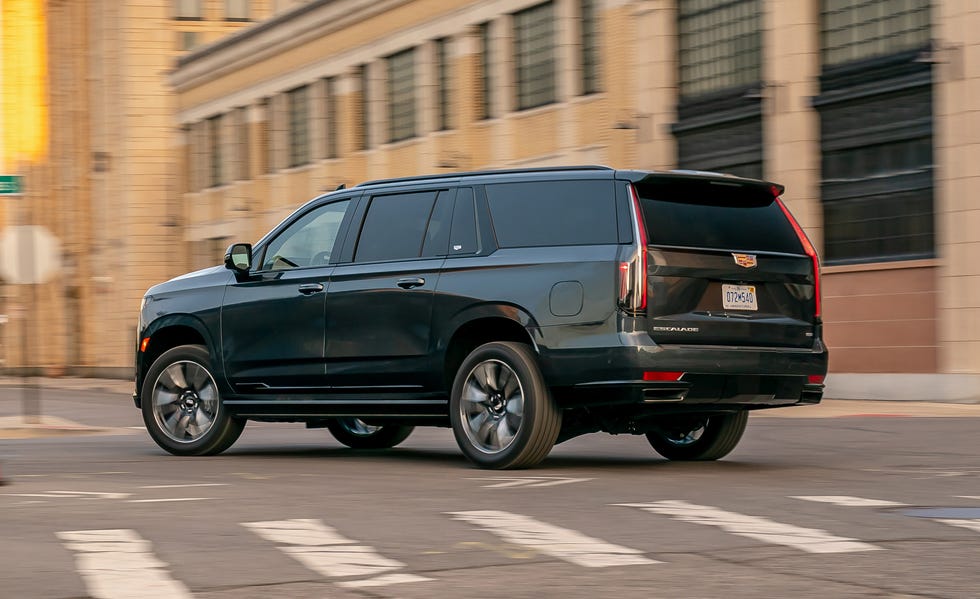
Cadillac owners aren’t exempt either. The luxury Cadillac Escalade, General Motors’ flagship luxury SUV, is included in the recall across both its standard and extended wheelbase configurations. This wide range of vehicles indicates that the problem likely exists in the shared transmission component that GM uses across its full-size SUV platform.
It’s important to note that General Motors has already addressed this issue in newer model years. All 2023 model year and newer full-size SUVs from these brands came equipped with updated transmission software designed to prevent the excessive wear problem from developing in the first place. This means that if your SUV is a 2023 or later model, you shouldn’t be affected by this recall. However, if you purchased your vehicle during the 2022 model year or own one of these SUVs from that year, you need to take action. You can verify whether your specific vehicle is included in the recall by visiting the official National Highway Traffic Safety Administration website and searching by your vehicle’s VIN number.
What GM’s Solution Means for Owners and How to Proceed
General Motors and the National Highway Traffic Safety Administration have developed a solution to prevent rear wheel lock-up events from occurring in affected vehicles. The fix involves installing new transmission control module software—essentially a computer program update—that monitors the transmission control valve’s performance continuously while you drive. This software is designed to detect the early warning signs of excessive wear approximately 10,000 miles before a wheel lock-up could potentially occur, giving the system time to intervene before a dangerous situation develops.
Once the software detects that the valve is beginning to wear excessively, it automatically limits the transmission to fifth gear. This preventive action ensures that the transmission never attempts the risky downshift from eighth gear that has been linked to the wheel lock-up incidents. When this safety measure activates, drivers will see two indicators on their instrument panel: a service engine light will illuminate, and a “reduced propulsion” message will appear on the dashboard. These warnings alert you that something needs attention and that your vehicle’s performance is intentionally limited for safety reasons.
General Motors has already started the recall notification process. Owner notification letters were sent out on March 30, so if you own one of these vehicles, check your mailbox for official communication from General Motors. The letter will contain instructions on how to schedule an appointment with your local GM dealership to have the software update installed. The good news is that this is a relatively quick and non-invasive repair. Unlike mechanical transmission repairs that can take days and cost thousands of dollars, a software update can typically be completed during a single visit to the dealership, often taking just a couple of hours. There should be no cost to you for this recall repair, as manufacturers are required to cover all expenses for safety-related recalls. If a dealer tries to charge you for this work, contact General Motors’ customer service immediately.
To find out whether your vehicle is officially included in the recall, visit the National Highway Traffic Safety Administration’s official recalls website at NHTSA.gov. You can search by your vehicle’s VIN number, which you’ll find on your vehicle’s registration or on the driver’s side door jamb. This search will definitively tell you whether your specific vehicle requires the software update. Don’t delay on this—while the software fix is relatively simple, driving a recalled vehicle with this transmission issue puts you and your passengers at risk.
For everyday Americans, understanding GM recalls rear wheel lock-up has become increasingly important in today’s fast-changing landscape. Whether you are a first-time learner or someone who follows Automotive closely, staying up to date with the latest developments can make a real difference in your decisions. Industry experts have noted that GM recalls rear wheel lock-up is one of the most discussed topics in Automotive circles right now. The implications stretch across different demographics, affecting how people approach their daily lives and long-term plans. It is worth noting that GM recalls rear wheel lock-up does not exist in a vacuum. It connects to broader trends in Automotive that have been building for years. Understanding the context behind these developments helps paint a clearer picture of where things are headed.
Key Takeaways
- If you own a 2022 Chevrolet Tahoe, Suburban, GMC Yukon, or Cadillac Escalade, check the NHTSA website using your VIN to determine if your vehicle is included in this recall. Schedule a dealership appointment immediately to have the transmission control module software updated at no cost.
- Don’t ignore the warning signs—if your transmission feels like it’s shifting harshly, or if you notice a service engine light and reduced propulsion message, these could indicate the valve wear problem. Contact your dealer right away rather than continuing to drive the vehicle.
- The good news is that GM’s software solution is preventive and non-invasive. The update detects wear before it becomes dangerous, limits transmission gear selection automatically, and can be installed in a single dealership visit, protecting you and your family from the serious rear wheel lock-up hazard.