Google just made a massive bet on the future of clean energy, and it involves a startup technology you’ve probably never heard of. The search giant announced a groundbreaking partnership involving Form Energy battery technology, committing approximately $1 billion to power its new Minnesota data center. This isn’t just another tech industry deal—it represents a major shift in how companies plan to store and use renewable energy at scale.
Form Energy Battery: How Form Energy’s Battery Technology Actually Wor
So what exactly is Form Energy battery technology, and why is Google willing to spend a billion dollars on it? The answer lies in one of the most frustrating challenges facing renewable energy today: storage. Wind turbines and solar panels generate power intermittently, but we need electricity flowing constantly. That’s where Form Energy comes in with their innovative iron-air battery system.
The technology operates through a surprisingly elegant chemical process. Oxygen gets pumped into specialized battery cells where it reacts with iron, creating rust. This oxidation process releases electrons—the fundamental building blocks of electricity. The battery can then deliver a steady stream of power over extended periods, which is where Form Energy battery technology becomes genuinely revolutionary.
The specific battery powering Google’s Minnesota facility can produce 300 megawatts of continuous electricity for an impressive 100 hours straight. To put that in perspective, most traditional batteries can only discharge for a few hours before running dry. This extended discharge capability makes Form Energy battery technology particularly valuable for data centers and other facilities that need consistent, reliable power around the clock.
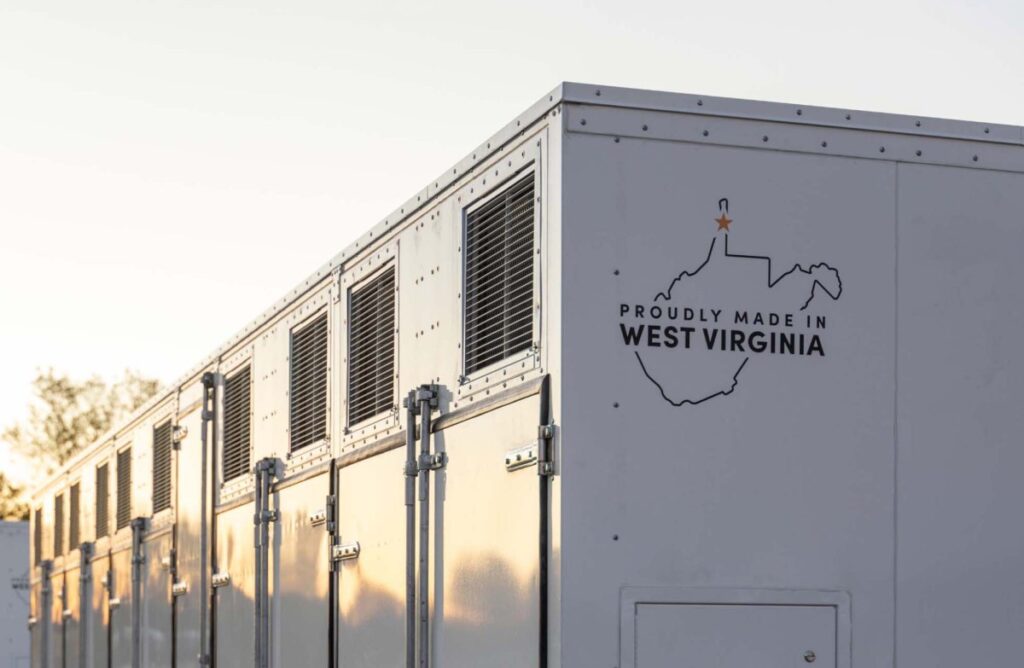
The company has spent years perfecting this electrochemical engineering challenge. They’ve already constructed a manufacturing facility in West Virginia specifically designed to produce these batteries at commercial scale. Before Google’s commitment, Form Energy had struggled to land a major customer willing to bet on their unproven technology at scale. This deal changes everything for the startup’s trajectory and proves the concept works in real-world applications.
Google’s Minnesota Data Center and Renewable Energy Goals
Google’s decision to invest so heavily in Form Energy battery technology reflects the company’s broader commitment to running on 100% carbon-free electricity. The tech giant announced plans for a new data center in Minnesota that would be powered by an interesting combination of renewable sources. Specifically, the facility will draw from 1.4 gigawatts of wind power capacity and 200 megawatts of solar generation.
Sounds great, right? But here’s the practical problem: wind doesn’t blow constantly, and the sun doesn’t always shine. Data centers require uninterrupted power supply regardless of weather conditions or time of day. That’s precisely why Google needed Form Energy battery technology as part of this equation. The battery acts as a sophisticated buffer, storing excess energy when renewables are producing at peak capacity and releasing that stored power during periods when wind and solar aren’t generating sufficient electricity.
This approach allows Google to maintain reliable operations while dramatically reducing reliance on traditional fossil fuel power plants. Rather than depending on natural gas plants to kick in during low renewable generation periods, the company can rely on charged batteries to bridge those gaps. The $1 billion commitment demonstrates Google’s confidence that this model can work at scale across their expanding data center operations.
The Minnesota location is particularly strategic since the region has excellent wind resources and a growing solar capacity. Google’s partnership with Form Energy battery technology essentially creates a test case for how major corporations can operate sustainably without sacrificing reliability or performance. If successful, this model could become a blueprint for other companies facing similar challenges in their quest for carbon-free operations.
Beyond just powering a single facility, Google’s investment signals to the entire technology and renewable energy industries that long-duration battery storage has become mainstream. Companies are no longer experimenting with concepts—they’re committing serious capital to proven solutions. Form Energy battery technology represents the kind of innovation that can actually move the needle on climate goals while meeting real-world business requirements.
Form Energy’s Path to Going Public and Industry Impact
The $1 billion Google deal opens exciting doors for Form Energy’s future, and the startup isn’t wasting time capitalizing on this momentum. Company leadership has announced plans to raise an additional $500 million in venture funding, bringing total capital raised to approximately $1.9 billion when combined with previous rounds. This aggressive fundraising strategy suggests Form Energy battery technology is poised for significant expansion and market penetration.
Form Energy’s CEO, Mateo Jaramillo, has been clear about the company’s ambitions. With a major customer commitment in hand and substantial financial resources secured, the startup plans to go public sometime next year. This would represent a remarkable achievement for a company that was essentially unknown to the general public just months ago. The transition from startup to publicly traded company validates the Form Energy battery technology concept and opens it to broader investment.
The West Virginia manufacturing facility represents just the beginning of Form Energy’s production capacity. To meet anticipated demand from Google and other potential customers, the company will likely need to expand operations significantly. This growth could create manufacturing jobs in regions that have historically struggled with economic transitions. Form Energy battery technology might become one of those rare innovations that combines environmental benefits with tangible economic opportunity.
The broader industry implications are substantial. When a company as influential as Google validates a new technology by committing $1 billion, it signals to other corporations, utilities, and investors that long-duration battery storage is no longer speculative. Other major technology companies operating data centers will face pressure to pursue similar solutions. Renewable energy developers will gain confidence that storage technology can reliably pair with wind and solar installations. Investors will increasingly direct capital toward companies solving the storage problem.
Form Energy battery technology also demonstrates that breakthrough innovations can still emerge from startups rather than only from established corporations or research institutions. The company identified a genuine problem—the storage limitation facing renewable energy—and developed a practical solution using accessible materials like iron. This approach offers hope that other critical challenges facing energy transition and climate goals might be solved by ambitious entrepreneurs willing to pursue unconventional approaches.
For everyday Americans, understanding Form Energy battery has become increasingly important in today’s fast-changing landscape. Whether you are a first-time learner or someone who follows AI & Technology closely, staying up to date with the latest developments can make a real difference in your decisions. Industry experts have noted that Form Energy battery is one of the most discussed topics in AI & Technology circles right now. The implications stretch across different demographics, affecting how people approach their daily lives and long-term plans. It is worth noting that Form Energy battery does not exist in a vacuum. It connects to broader trends in AI & Technology that have been building for years. Understanding the context behind these developments helps paint a clearer picture of where things are headed.
Key Takeaways
- Google’s $1 billion investment in Form Energy battery technology validates long-duration energy storage as a crucial solution for powering data centers and facilities with renewable energy sources, potentially transforming how major corporations approach their sustainability goals.
- Form Energy’s iron-air battery can discharge continuously for 100 hours by using an oxygen-iron oxidation process, addressing the primary limitation of wind and solar power by providing reliable electricity storage when renewable sources aren’t actively generating.
- Form Energy’s upcoming IPO and $500 million funding round signal that battery storage technology has moved from experimental startup phase to mainstream industry solution, likely inspiring competing innovations and accelerating the broader transition to carbon-free energy infrastructure.