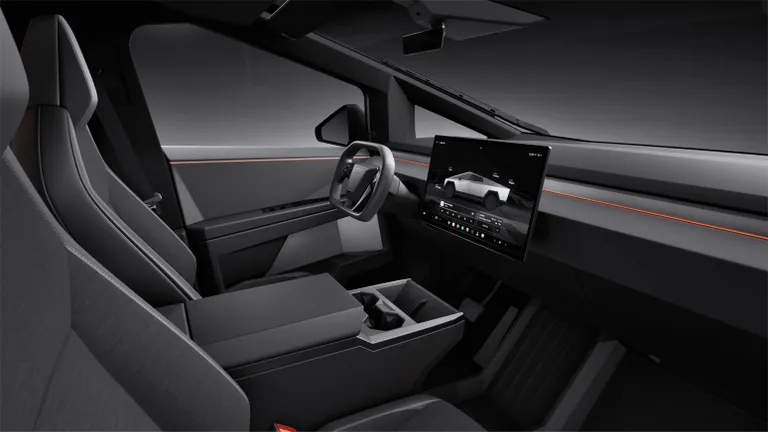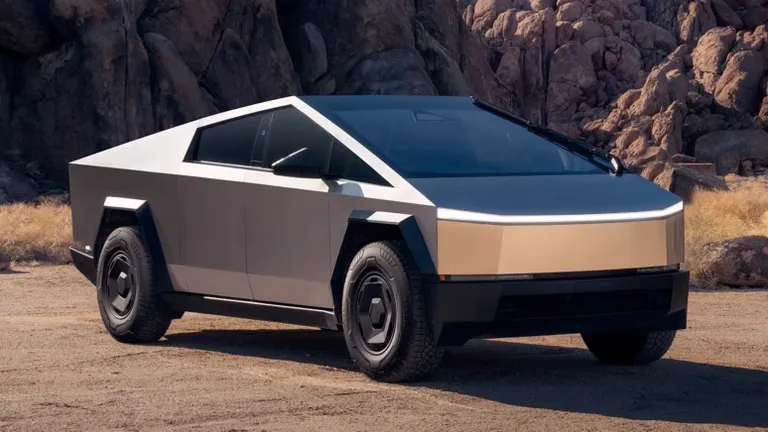
Tesla has made a significant move in the electric truck market by introducing a Cybertruck under $65,000 with dual motor all-wheel drive capability. This new pricing strategy marks a turning point for the polarizing vehicle, making it considerably more accessible to everyday Americans who’ve been curious about the futuristic pickup but hesitant about the steep price tag. The automaker initially promised an affordable rear-wheel-drive option when the Cybertruck debuted, but that version never materialized due to limited demand. Now, with this fresh dual motor offering starting at $62,235, Tesla is directly competing with traditional gas-powered pickups and other electric trucks in ways we haven’t seen before.
How the Cybertruck Under $65,000 Stacks Up Against Traditional Trucks
When you’re shopping for a pickup truck, the price comparison matters enormously. The new Cybertruck under $65,000 enters a crowded marketplace where buyers have multiple solid options from established manufacturers. At $62,235 out-the-door, this Tesla model comes remarkably close to what you’d pay for a conventional truck with proven reliability and a dealer network behind it.
The 2026 Ram 1500 in Big Horn trim with four-wheel drive and crew cab configuration will set you back $59,165. That’s about $3,000 less than the Cybertruck, and you’re getting a proven 3.0-liter twin-turbo engine with decades of truck engineering behind it. If Ram doesn’t appeal to you, the 2026 Ford F-150 XLT SuperCrew Hybrid 4WD costs roughly $60,655 and offers excellent fuel efficiency alongside traditional truck capability. Then there’s the Chevrolet Silverado LT Trail Boss Crew Cab, priced at $62,795—practically matching the Tesla’s price point while delivering the familiar comfort of a century-old brand.
What these comparisons reveal is that Tesla’s new pricing makes the Cybertruck genuinely competitive in the broader truck market. You’re no longer paying a massive premium just for the “electric” badge or the futuristic design. Instead, you’re making a real choice between innovation and tradition, between zero-emission driving and conventional combustion engines. For buyers who prioritize environmental impact and cutting-edge technology, this price point might actually tip the scales toward Tesla.
Cybertruck Under $65,000 vs. Other Electric Pickup Trucks
The electric vehicle space has become increasingly crowded, and the Cybertruck under $65,000 now has legitimate competition from other manufacturers. Understanding where Tesla sits among electric trucks helps you make an informed decision about which EV pickup makes sense for your situation.
Compared to the Rivian R1T Dual Standard, which starts at $74,990, the Cybertruck offers nearly $13,000 in savings. That’s substantial—enough to influence many buyers considering premium electric trucks. The 2026 Ford F-150 Lightning XLT, Ford’s answer to the electric truck market, carries a $65,940 price tag, putting it about $4,000 above the Tesla. These comparisons show Tesla’s aggressive positioning in the electric truck segment.
However, there’s an important wildcard in this competition: the 2026 Chevrolet Silverado EV WT. Priced at just $55,395, Chevy’s electric truck undercuts the Cybertruck by nearly $7,000. This means that if price is your primary concern and you want an all-electric pickup, the Silverado EV presents a compelling alternative. That said, the Cybertruck’s unique design, advanced technology features, and Tesla’s extensive Supercharger network might justify the additional cost for many buyers. Each vehicle brings different strengths to the table, and the “best” choice depends on your specific priorities regarding range, features, charging infrastructure, and brand loyalty.
What You’re Sacrificing With the Base Cybertruck Under $65,000
Achieving a sub-$65,000 price point required Tesla to make real compromises with this Cybertruck configuration. It’s important to understand exactly what features and capabilities you’re losing compared to the premium models, so you can determine whether the savings justify the trade-offs for your needs.
The most significant change involves the suspension system. The base model replaces the air suspension with adjustable height with a conventional coil-spring setup featuring adaptive dampers. This isn’t necessarily bad—many pickup trucks use similar systems—but it does limit flexibility. You won’t be able to raise or lower the truck’s ride height on demand, which impacts approach angles and general versatility. More importantly, this suspension change directly affects the truck’s hauling capabilities. The premium Cybertruck models can tow 11,000 pounds and carry 2,500 pounds of cargo. The base dual motor version drops significantly to 7,500 pounds of towing capacity and just 2,006 pounds of payload. While these figures still put it in the truck category, they represent meaningful reductions that could matter if you plan heavy-duty work.
Beyond the suspension, Tesla trimmed several lighting and bed features. The distinctive rear light bar you see on higher trims gets replaced with standard lighting, and the bed lights are gone entirely. The motorized tonneau cover remains, but it’s the basic version without the Vault upgrade, and the convenient L-tracks for securing cargo have been removed. These aren’t deal-breakers for casual truck owners, but they eliminate conveniences that premium buyers enjoy. The electrical power outlets in the bed remain adequate with two 120-volt options and one 240-volt outlet, maintaining work capability even if other features were reduced. Understanding these sacrifices helps you determine whether the $65,000 price point aligns with your actual truck usage and whether you’d regret missing the premium features down the road.
For everyday Americans, understanding Cybertruck under $65,000 has become increasingly important in today’s fast-changing landscape. Whether you are a first-time learner or someone who follows Automotive closely, staying up to date with the latest developments can make a real difference in your decisions. Industry experts have noted that Cybertruck under $65,000 is one of the most discussed topics in Automotive circles right now. The implications stretch across different demographics, affecting how people approach their daily lives and long-term plans. It is worth noting that Cybertruck under $65,000 does not exist in a vacuum. It connects to broader trends in Automotive that have been building for years. Understanding the context behind these developments helps paint a clearer picture of where things are headed. Many Americans are asking how Cybertruck under $65,000 affects them personally. While every situation is unique, the general consensus among analysts is that being informed and proactive is the best approach anyone can take right now. As more information becomes available about Cybertruck under $65,000, one thing remains clear — this is a story that will continue to develop. Readers are encouraged to check back for updates as the situation evolves and new data emerges.
Key Takeaways
- The new Tesla Cybertruck under $65,000 with dual motor AWD is now price-competitive with conventional trucks from Ford, Ram, and Chevy, making it a genuine alternative rather than a luxury novelty for mainstream buyers.
- While the base Cybertruck costs about $7,000 more than the Silverado EV and less than competing electric trucks like the F-150 Lightning, it offers Tesla’s unmatched Supercharger network and innovative technology as offsetting advantages.
- The budget model sacrifices air suspension, towing capacity (7,500 lbs vs. 11,000 lbs), some bed features, and premium lighting—important trade-offs to consider based on how you plan to actually use the truck.