Audi is shaking up the high-performance sedan market with the 2027 Audi RS5 PHEV, a groundbreaking hybrid that blends traditional German engineering with cutting-edge electric technology. For the very first time in Audi’s history, one of its elite RS performance models is getting paired with a powerful electric motor, creating a driving experience that promises to thrill both hardcore enthusiasts and practical-minded drivers alike.
Understanding the 2027 Audi RS5 PHEV Engine and Power Output
At the heart of the 2027 Audi RS5 PHEV sits a refined 2.9-liter twin-turbocharged V-6 engine that’s been significantly upgraded from its predecessor. This modern powerplant generates an impressive 503 horsepower and 443 pound-feet of torque—that’s nearly 70 additional horses compared to the previous generation. Audi engineered these improvements through a combination of sophisticated upgrades, including dual variable-geometry turbochargers that adjust their efficiency across different engine speeds, cutting-edge fuel injection technology operating at higher pressures, and an optimized intake system that reduces restrictions and allows air to flow more freely into the cylinders.
But the real revolution happens when you add the electric motor into the equation. This battery-powered motor contributes an additional 175 horsepower and 339 pound-feet of torque. When combined, the system produces a staggering 630 total horsepower and 608 pound-feet of torque. To put this in perspective, these numbers put the 2027 Audi RS5 PHEV right in the same performance tier as Mercedes-AMG’s E53 PHEV, which generates 604 horsepower and 554 pound-feet. The real-world impact of this power is undeniable—Audi claims the sedan can accelerate from zero to 62 miles per hour in just 3.6 seconds, though many automotive experts suspect this might be a conservative estimate. The integration of Miller cycle combustion technology also means the gasoline engine operates more efficiently under heavy load, consuming up to 20 percent less fuel when you’re really pushing the car hard.
Revolutionary All-Wheel Drive and Torque Vectoring Technology
One of the most exciting innovations in the 2027 Audi RS5 PHEV is the introduction of electro-mechanical torque vectoring working hand-in-hand with Audi’s legendary Quattro all-wheel-drive system. This marks the first time Audi has ever combined these two advanced technologies in an RS model, creating something genuinely special for drivers who demand maximum control and performance.
The way this system works is fascinating and speaks to Audi’s engineering prowess. Power distribution between the front and rear wheels can shift dynamically across a range from 70/30 to 15/85, meaning the car can pivot its personality depending on driving conditions and driver inputs. When you need maximum traction—say, accelerating hard on a wet road or during winter weather—the system can send more power forward to the front wheels. However, when you’re attacking a racetrack or carving through twisty mountain roads, the system can push as much as 85 percent of the engine’s torque to the rear wheels, enabling the kind of dynamic, drifting behavior that makes sports cars genuinely fun. The center differential features an intelligent preload mechanism that keeps it partially locked at all times, providing a constant foundation of traction and predictable handling characteristics that everyday drivers will appreciate.
This technological sophistication means the 2027 Audi RS5 PHEV can genuinely adapt to however you want to drive it. Whether you’re commuting through city traffic, navigating highway on-ramps, or pushing the car’s limits on a race circuit, the torque vectoring system is constantly optimizing power delivery. The eight-speed automatic transmission works seamlessly with this system, selecting the perfect gear at precisely the right moment. For American drivers accustomed to thinking of all-wheel-drive vehicles as primarily winter-weather solutions, this represents a paradigm shift in understanding what modern AWD can accomplish in terms of pure driving dynamics and performance.
Electric Range and Charging Capabilities for Daily Driving
The battery technology underpinning the 2027 Audi RS5 PHEV represents a major step forward in plug-in hybrid practicality. The complete battery pack holds 25.9 kilowatt-hours of total capacity, with 22.0 kilowatt-hours available for actual driving use. This substantial battery means Audi estimates you can drive up to 54 miles on pure electric power during city driving—a distance that covers the entire daily commute for millions of American workers. For drivers with typical commutes under 50 miles, this effectively means you could potentially drive to work, park, charge during the day, and drive home entirely on electricity on many days.
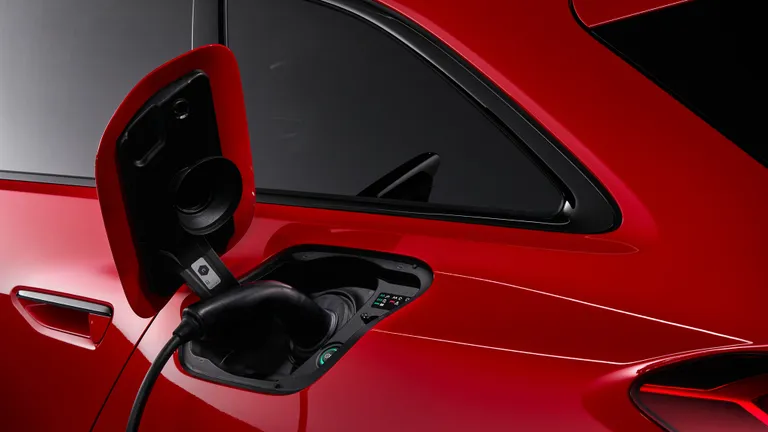
The charging infrastructure supporting this battery is practical and user-friendly. The car utilizes modern 400-volt electrical architecture, which is more efficient than older 300-volt systems and allows faster charging speeds. A standard wall charger delivers up to 11 kilowatts of charging power, capable of completely refilling the battery in just 2.5 hours. This means you can charge overnight at home and wake up with a full battery, ready for daily electric driving. For households with access to faster DC fast-charging networks, charging times can be even shorter, though Audi hasn’t specified those figures yet.
Another clever engineering detail worth mentioning: Audi has eliminated the traditional 12-volt starter motor entirely. Instead, the powerful electric motor serves dual duty, providing both performance boost during acceleration and engine starting capability. This redundancy eliminates unnecessary weight and complexity while improving overall system reliability. For American drivers curious about plug-in hybrids but hesitant about complexity, this integrated approach demonstrates how modern engineering can actually simplify systems while adding capability. The combination of 503 gasoline horsepower, 175 electric horsepower, and 54 miles of electric range creates a vehicle that’s genuinely practical for daily driving while delivering extraordinary performance when desired.
For everyday Americans, understanding 2027 Audi RS5 PHEV has become increasingly important in today’s fast-changing landscape. Whether you are a first-time learner or someone who follows Automotive closely, staying up to date with the latest developments can make a real difference in your decisions. Industry experts have noted that 2027 Audi RS5 PHEV is one of the most discussed topics in Automotive circles right now. The implications stretch across different demographics, affecting how people approach their daily lives and long-term plans. It is worth noting that 2027 Audi RS5 PHEV does not exist in a vacuum. It connects to broader trends in Automotive that have been building for years. Understanding the context behind these developments helps paint a clearer picture of where things are headed. Many Americans are asking how 2027 Audi RS5 PHEV affects them personally. While every situation is unique, the general consensus among analysts is that being informed and proactive is the best approach anyone can take right now.
Key Takeaways
- The 2027 Audi RS5 PHEV marks a historic first for Audi by combining RS-level performance with plug-in hybrid technology, delivering 630 total horsepower and enabling 3.6-second acceleration while maintaining practical 54-mile electric range for daily commutes.
- Revolutionary electro-mechanical torque vectoring paired with Quattro all-wheel drive lets you switch between maximum traction and track-ready performance, adapting the car’s behavior from winter driving to racetrack use with intelligent power distribution between front and rear wheels.
- Practical charging capabilities using 400-volt architecture and standard 11-kilowatt chargers mean a complete overnight charge in 2.5 hours, making this high-performance sedan genuinely viable for everyday American drivers seeking both electric efficiency and genuine sports car excitement.